The Wrapper Is Dead: What Founders Should Build Instead of Another AI Feature (2026)

By Surya Pratap
July 24, 2026
9 min read
MVP Strategy

July 24, 2026
9 min read
Two conversations are happening in parallel this month, and they have arrived at the same conclusion. On X, investors and product leads keep repeating a blunt line: the thin AI wrapper is finished, and distribution—not a clever prompt—is the moat. On Reddit, in r/SaaS and r/AI_Agents, founders are venting a quieter version of the same story: the demo dazzled, the pilot stalled, and a foundation lab shipped the exact feature as a native button a month later. The verdict from both rooms is identical. Wrapping a model is no longer a business.
The numbers people throw around are grim—estimates that most AI wrapper startups will fail by the end of 2026, that a large majority never earn a dollar, and that only a thin slice reach meaningful revenue. Treat those as directional rather than precise. The useful part is the pattern underneath them: when the value your product adds is a single model call and a nicer interface, the model provider can add it for free, and your customer will let them. This piece is about what to build instead—and why the answer is not a better wrapper, but a different kind of product.
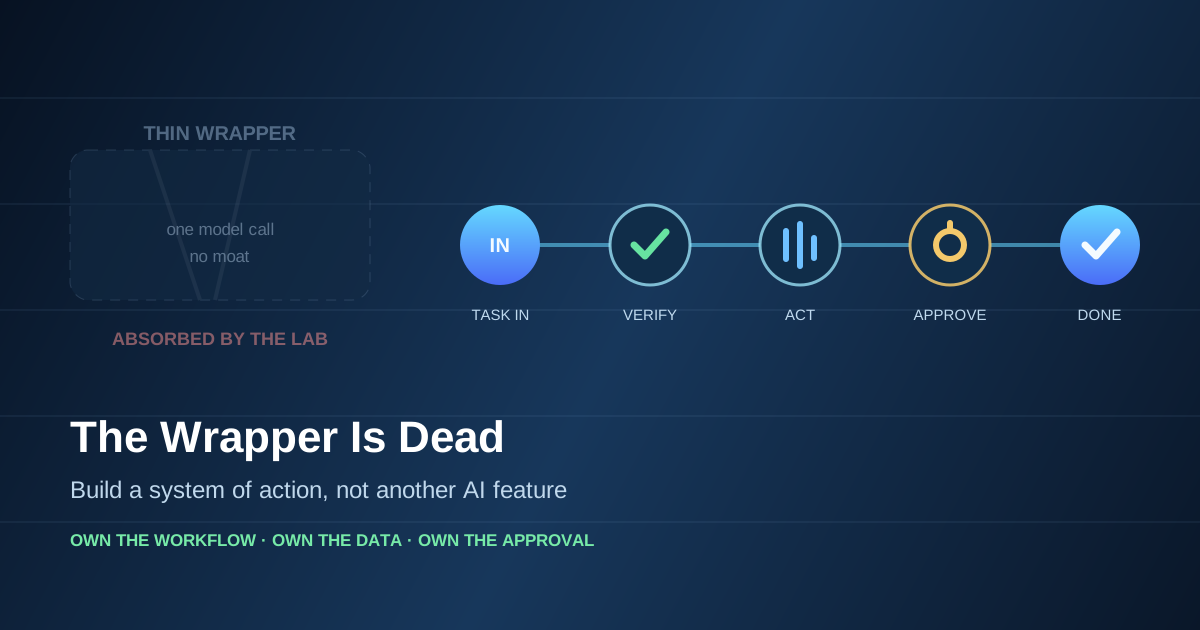
The phrase gets thrown around loosely, so it is worth being precise. A wrapper dies when three things are true at once: the core value is a single call to a general-purpose model, the interface is the only thing you own, and nothing about your product gets better the longer a customer uses it. Jasper is the reference cautionary tale—a strong early business built on top of a model the lab then productized directly.
What is not dead is using a foundation model. Almost every serious AI product calls one. The distinction is whether the model is the product or an ingredient. If a competitor could rebuild your entire value in a weekend with the same API key, you have a wrapper. If rebuilding it would require your data, your integrations, your compliance posture, and your place inside the customer's workflow, you have something else—and that something is what survives.
The weekend test
Could a competent developer with the same model API recreate your core value over a weekend? If yes, you are selling a wrapper and the lab is your real competitor. If no, ask what specifically stops them—that answer is your moat, and if you cannot name it, you do not have one yet.
Strip away the hype and the defensibility conversation in 2026 keeps landing on the same four sources. None of them is the model. Each of them is something a general-purpose provider structurally cannot copy for your specific customer.
Most durable AI companies right now hold at least two of these. A legal-review product owns the workflow and the proprietary corpus. An accounts-payable product owns the approval flow and the system of record. You do not need all four, but a product resting on none of them is, by definition, the wrapper everyone is warning about.
The most useful reframing from this month's founder debates is the shift away from selling “an agent” and toward selling labor substitution in one bounded process. Buyers do not want a chat box that might help; they want a specific unit of work completed reliably—the invoice reconciled, the security questionnaire drafted, the support ticket resolved within stated limits. Investors have started calling these “systems of action” or “digital assembly lines”: bounded, auditable pipelines with human oversight and clear business metrics, not open-ended autonomy.
This matters for a new company because it changes what you sell and how you price. A wrapper sells access to a model by the seat. A system of action sells a completed outcome inside a process you own end to end. The second is harder to build and far harder to displace, because the value is the result and the workflow it lives in, not the intelligence that produced it.
The one-bounded-process test
Name the single job your product completes, the exact input it starts from, the output it produces, and the boundary where it hands off to a human. If you cannot state all four in one sentence, the scope is still a wrapper wearing an agent costume.
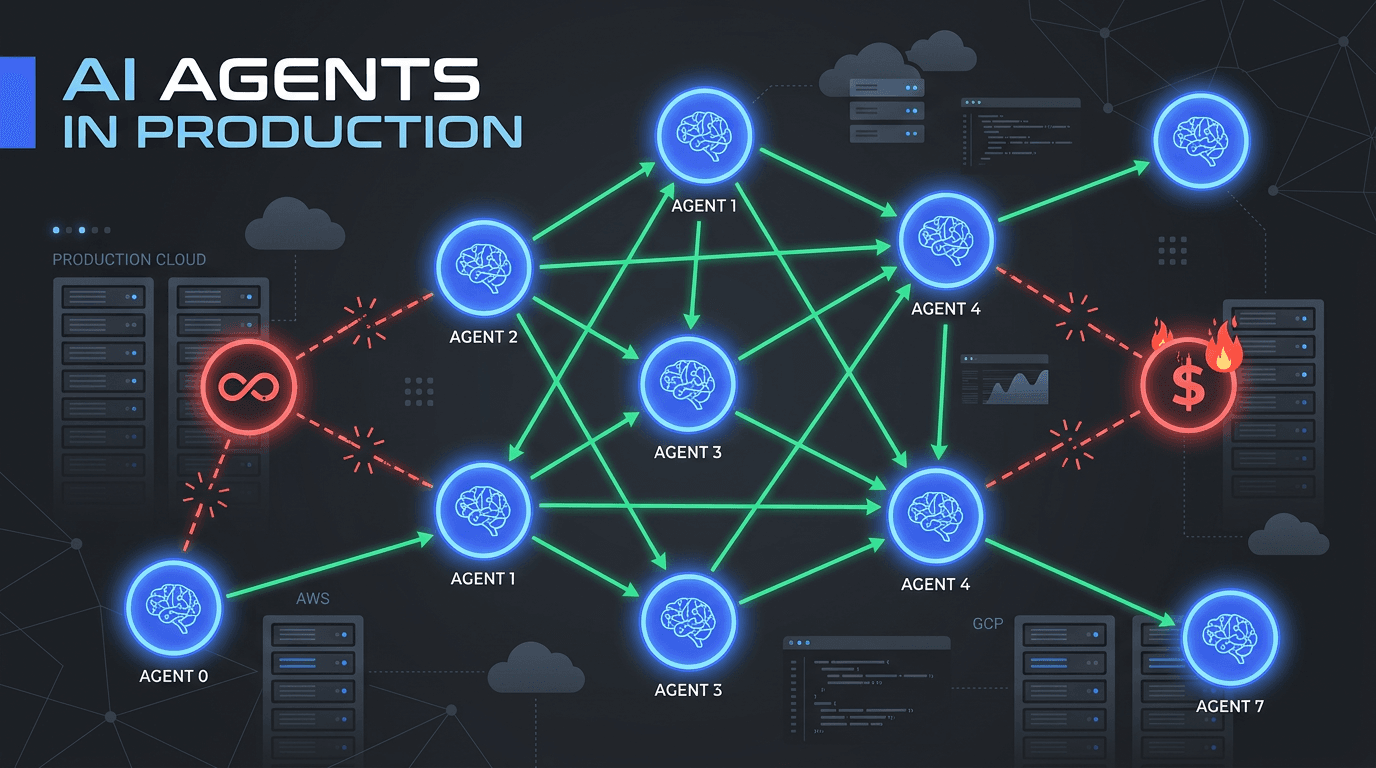
The Reddit half of this conversation is really about reliability. Multi-step, do-everything agents look magical in a demo and then complete only a fraction of real runs unattended—teams openly report agents finishing well short of what “autonomous” implies. The failure is rarely the model being dumb. It is that a broad agent cannot tell the tasks it will get right from the ones it will get wrong, so it fails silently and expensively.
Narrowing the scope is the cheapest reliability upgrade available. When a product owns one bounded process, you can define exactly what “correct” means, verify each run against it, gate the risky steps behind human approval, and measure completion rate honestly. That is why the market is rewarding bounded workflow products over general assistants: they are the only ones that survive contact with production. A smaller promise you can keep beats a larger one you cannot.
Of the four moats, privileged access is the one most founders underuse—and the one hardest for a foundation lab to reach. A general-purpose model can draft an invoice dispute, but it does not sit inside your customer's ERP, hold the approval authority, carry the audit trail, or enforce the compliance rules that govern the payment. Own those, and you are no longer competing with the model on intelligence; you are the pipeline the intelligence has to run through.
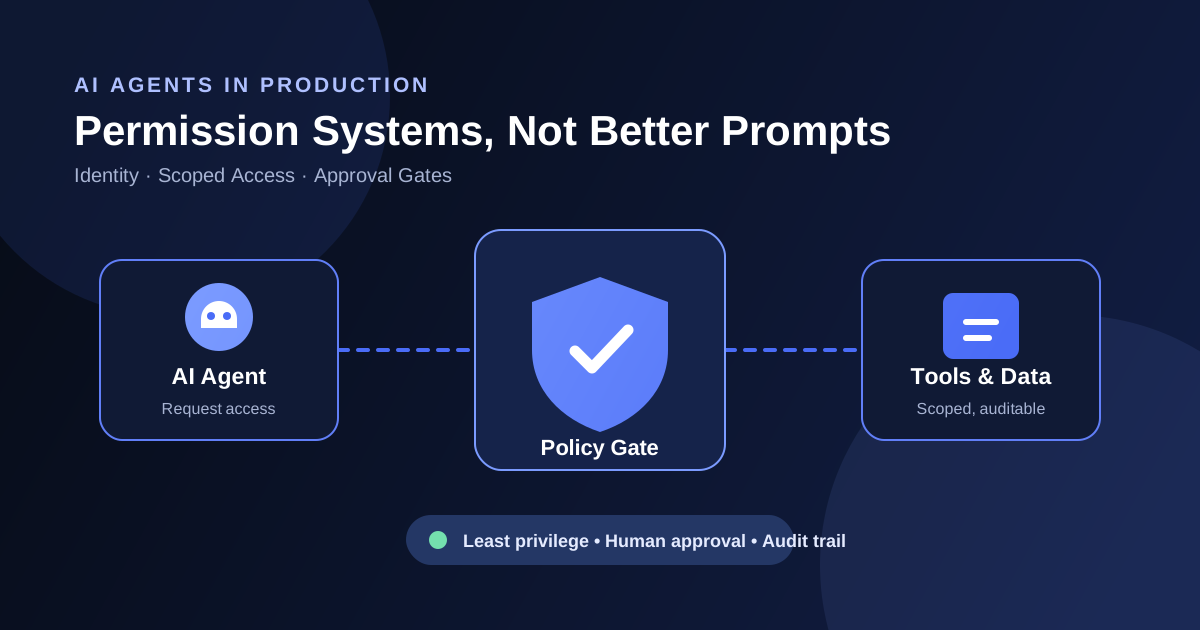
This connects directly to how you build. Privileged access means integrations, permissions, approval gates, and an audit log—the unglamorous plumbing that a weekend clone cannot reproduce and a horizontal provider cannot justify building for your specific niche. It is slower to ship than a prompt, and that is exactly the point. The friction that makes it hard to build is the same friction that makes it hard to displace.
If your current product would fail the weekend test, you do not need a rebuild—you need to deepen into one process before you widen across many. A focused month gets you most of the way.
The consensus on X and Reddit is not that AI startups are over. It is that the easy version is—the version where a thin layer over someone else's model counted as a company. What replaces it is more work and more defensible: own a bounded process, earn a moat the labs cannot reach, and sell a result rather than a wrapper. Founders who make that move are not fighting the foundation models. They are building the systems those models run inside.
IdeaToMVP Academy
4-week live cohort for founders. Learn to ship AI agents, scope MVPs, and automate your business — taught by the same team that writes these guides.