March 16, 2026
If you’ve been on Reddit lately, you’ve seen the OpenClaw threads: founders calling it an “agentic OS,” builders arguing it makes half of SaaS obsolete, and practitioners quietly warning about loops, flaky tool calls, and runaway token spend.
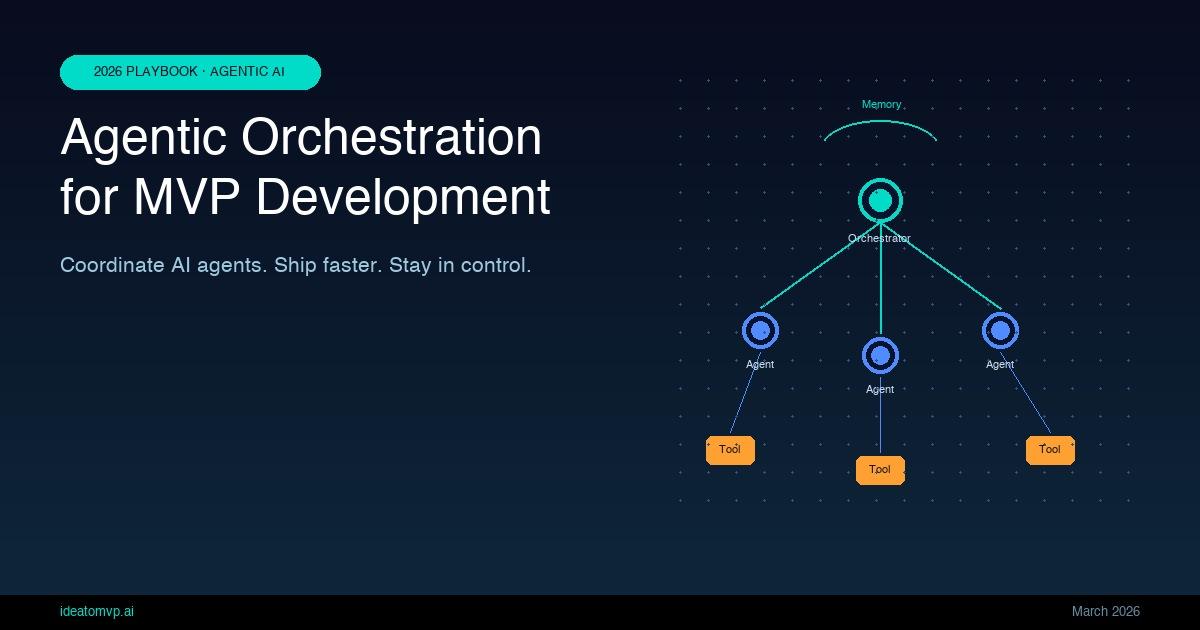
This post is the founder’s version of the truth: what OpenClaw enables, what it breaks, and how to use agentic systems to ship an MVP without turning your product into a science experiment.
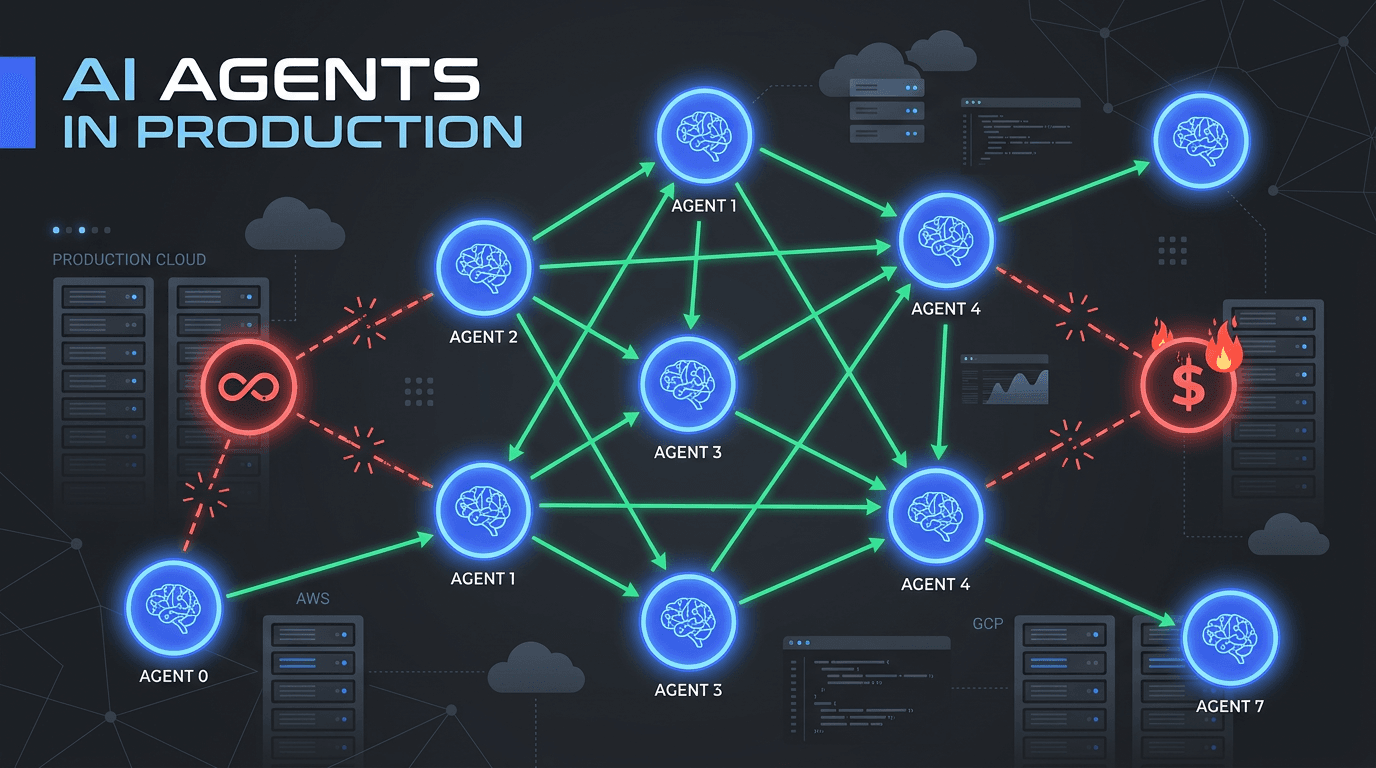
The shift is simple: instead of an AI answering a question, you’re giving an AI a goal, a toolbox, and a budget — and letting it execute multiple steps across systems (browser, files, APIs) until it’s done.
The most useful OpenClaw threads aren’t the hype posts. They’re the ones describing what happens after day 3, when your agent becomes:
“Agent demos are easy. Agent reliability is the product.”
— A common pattern across OpenClaw discussions
The biggest mistake founders make is shipping autonomy to users before they can control it. A safer path is:
Phase 1
Internal agent: ops, QA, data cleanup
Phase 2
Assisted mode: user clicks “Run,” sees a plan + preview
Phase 3
Scoped autonomy: narrow jobs with hard budgets + approvals
If you only remember one thing: agentic systems are not a feature. They’re a new failure mode. Add these guardrails on day one:
We help founders ship agent-powered products with guardrails: budgets, approvals, observability, and a UX that builds trust.
Book a Free Discovery Call