From Idea to MVP with AI RAG: How to Build Trustworthy AI Products in 2026

By Surya Pratap
March 11, 2026
9 min read
AI RAG · MVP Development

March 11, 2026
9 min read
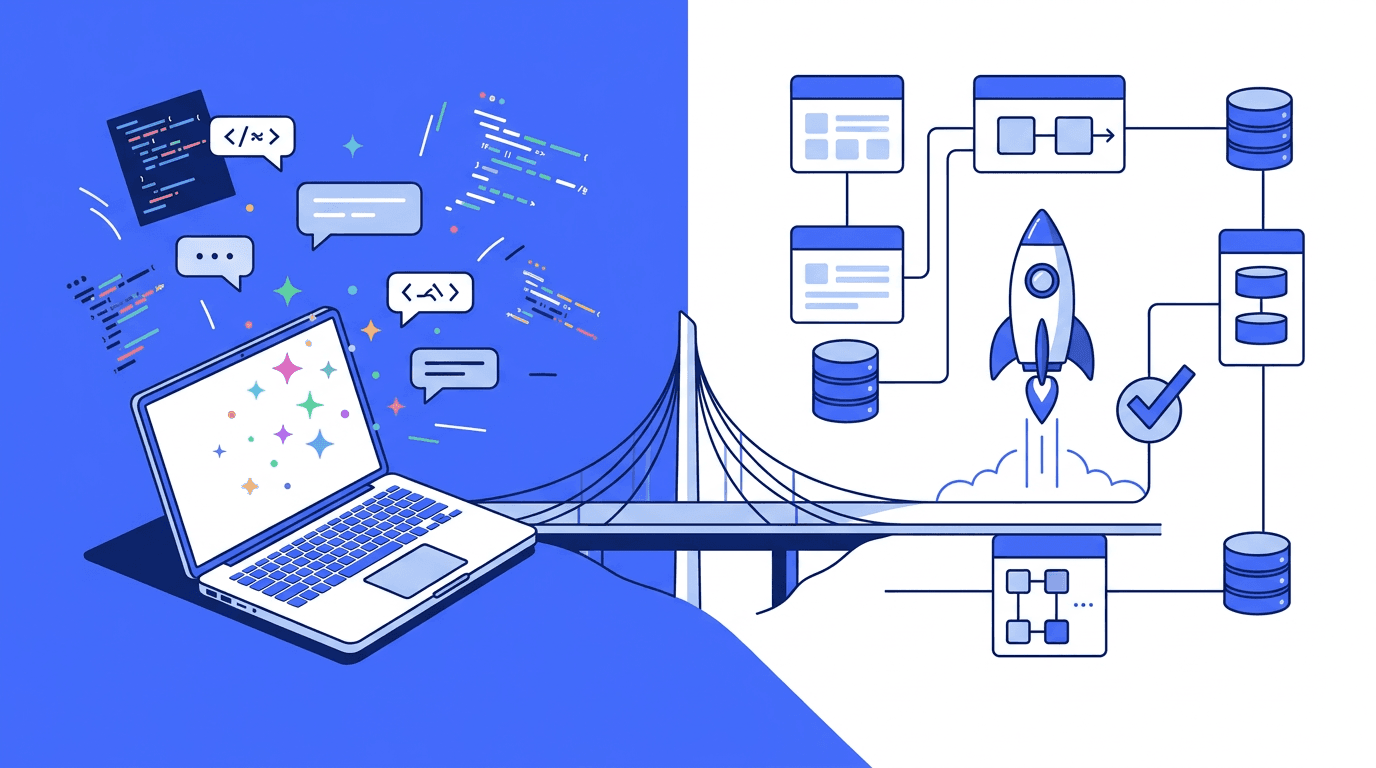
Everyone has seen the demo: ask a generic LLM a domain question and it gives a confident, wrong answer. Ask a well-built RAG system the same thing and you get citations, context, and something you might actually stake your startup's reputation on. In 2026, the question isn't “Should I use RAG?” — it's “How early in my idea-to-MVP process should RAG shape the product?”
 Interactive contrastHover to explore
Twitter/X is full of founders who rushed an “AI assistant” MVP to market, only to discover that users don't trust a system that hallucinates — no matter how slick the UI is. The teams that are winning in 2025–2026 use Retrieval-Augmented Generation not as an afterthought, but as a core product decision: what data they ingest, how they retrieve it, and how they expose that trust to users.
A classic AI MVP spec reads: “User asks a question, model answers.” A modern RAG MVP spec on Twitter/X looks more like: “User asks a question, system retrieves relevant documents, explains its answer in plain language, and shows its sources.” The outcome isn't just a reply — it's calibrated trust.
 RAG MVP mapHover to explore
In a RAG product, your knowledge base is the product. Builders sharing their journeys online all repeat the same lesson: a beautiful UI on top of messy, unstructured data leads straight to hallucinations and user churn.
 Approach shiftHover to explore
You don't need a 12-component research system to launch an MVP, but youdo need a clear mental model. Most successful 2026 RAG MVPs share a simple four-layer stack:
 MVP sliceHover to explore
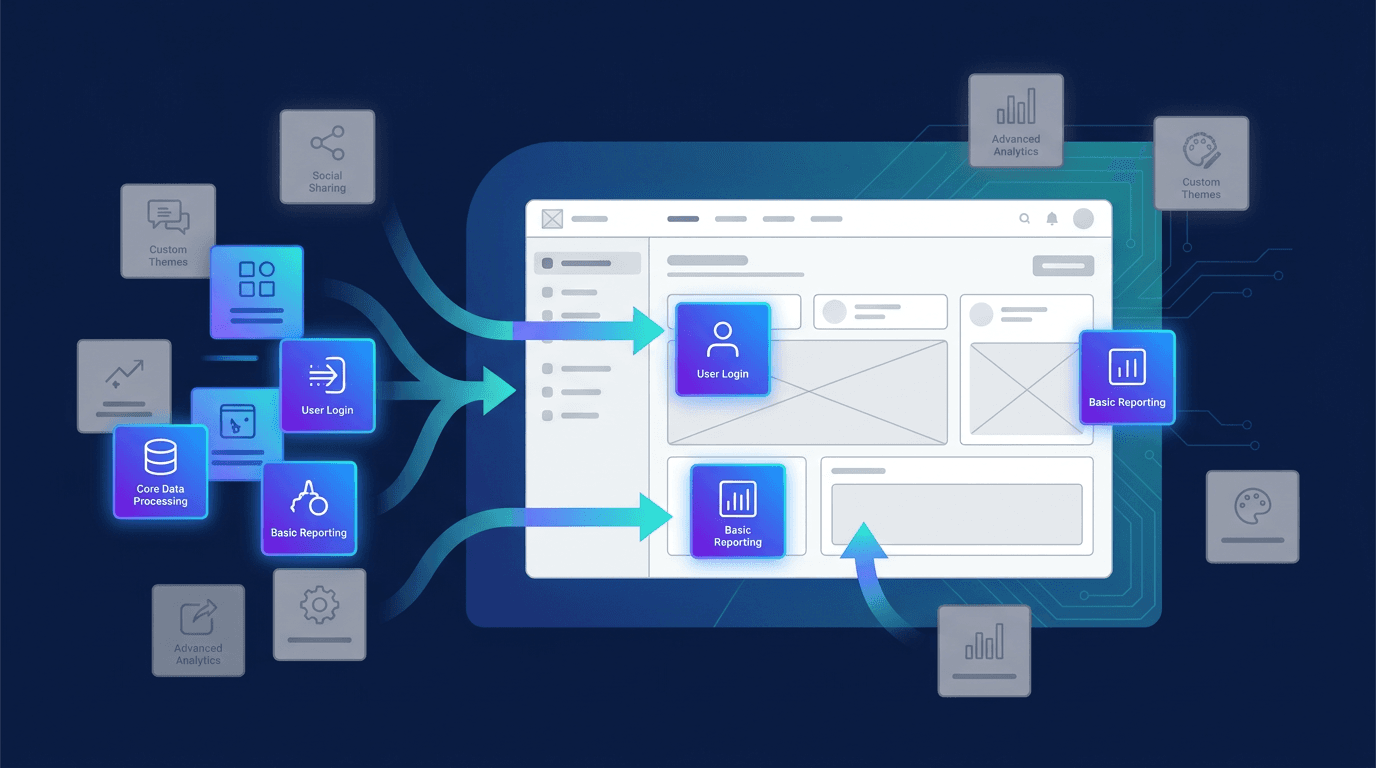
Many founders on Twitter/X share a painful pattern: they ship an “AI MVP,” win some early attention, and then realize they need to rebuild everything with proper RAG and guardrails. You can avoid that fate by baking a few constraints into your first build:
“RAG isn't about making your model smarter — it's about making your product more honest. Your MVP should prove that you can give grounded answers, not just impressive ones.”
If you redesign your idea-to-MVP journey around RAG from day one, you'll ship slower demos but faster businesses. You won't just have an AI feature; you'll have a trustworthy system your users can rely on — and that's what investors and customers reading your Twitter/X launch threads are really looking for.