Agentic AI with Claude Code: A 2026 Founder's Guide to Shipping Without Losing the Plot

By Surya Pratap
April 14, 2026
8 min read
Agentic AI · Claude · MVP

April 14, 2026
8 min read
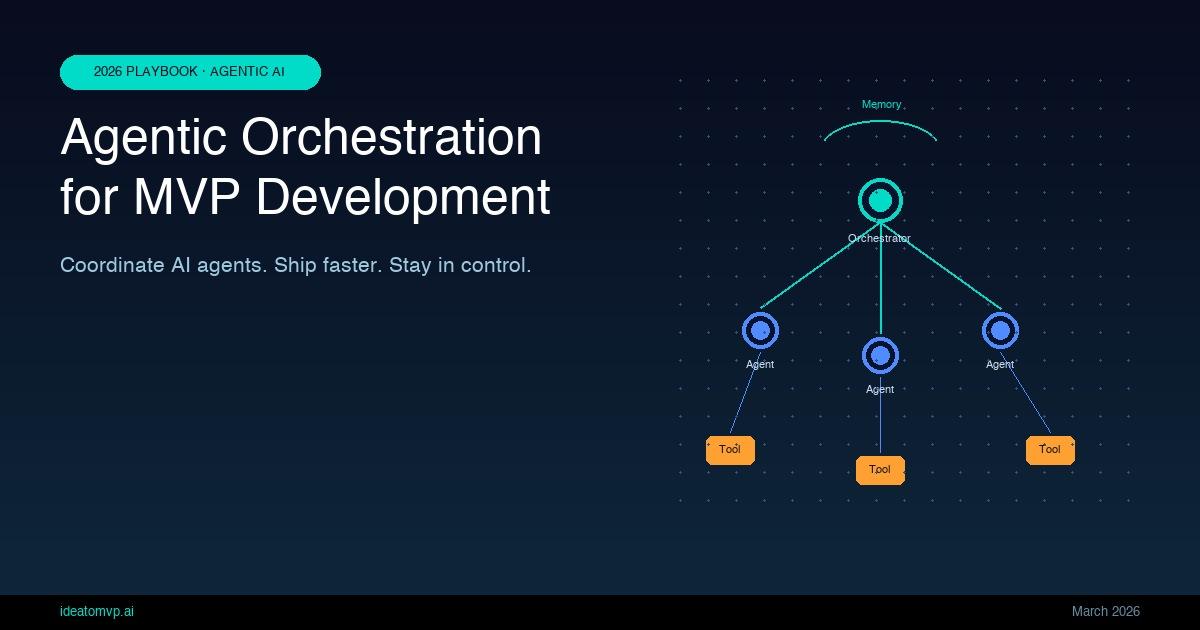
“Agentic AI” is not a magic switch. In practice it means your model can take multi-step actions— read files, run commands, edit code, call tools — under constraints you set, instead of answering once and stopping. Tools like Claude Code sit where that abstraction meets your repo: they turn a frontier model into something closer to a senior engineer who can actually touch the codebase, if you give them a spec worth following.
 Agentic loopHover to explore
A single chat completion can suggest a function. An agentic workflow can implement the function, wire it into your router, add a test, and fix the type error—if the task is scoped, your tree is navigable, and you treat the run as a PR, not a black box. The failure mode is familiar: the model does five steps confidently in the wrong direction, and you only notice on Friday.
Claude Code is best understood as an agentic coding surface tied to your project: it can explore the tree, propose edits, and work in the same toolchain you already use. For an MVP, that is the difference between “generate a snippet in a browser” and “align with how auth, env, and deployment actually work in this repo.”
Founders get the most leverage when they pair Claude Code with explicit rituals: small tasks, clear acceptance criteria, and human review before merge—same as any senior hire, except the agent never sleeps and never asks for equity.
 Production mindsetHover to explore
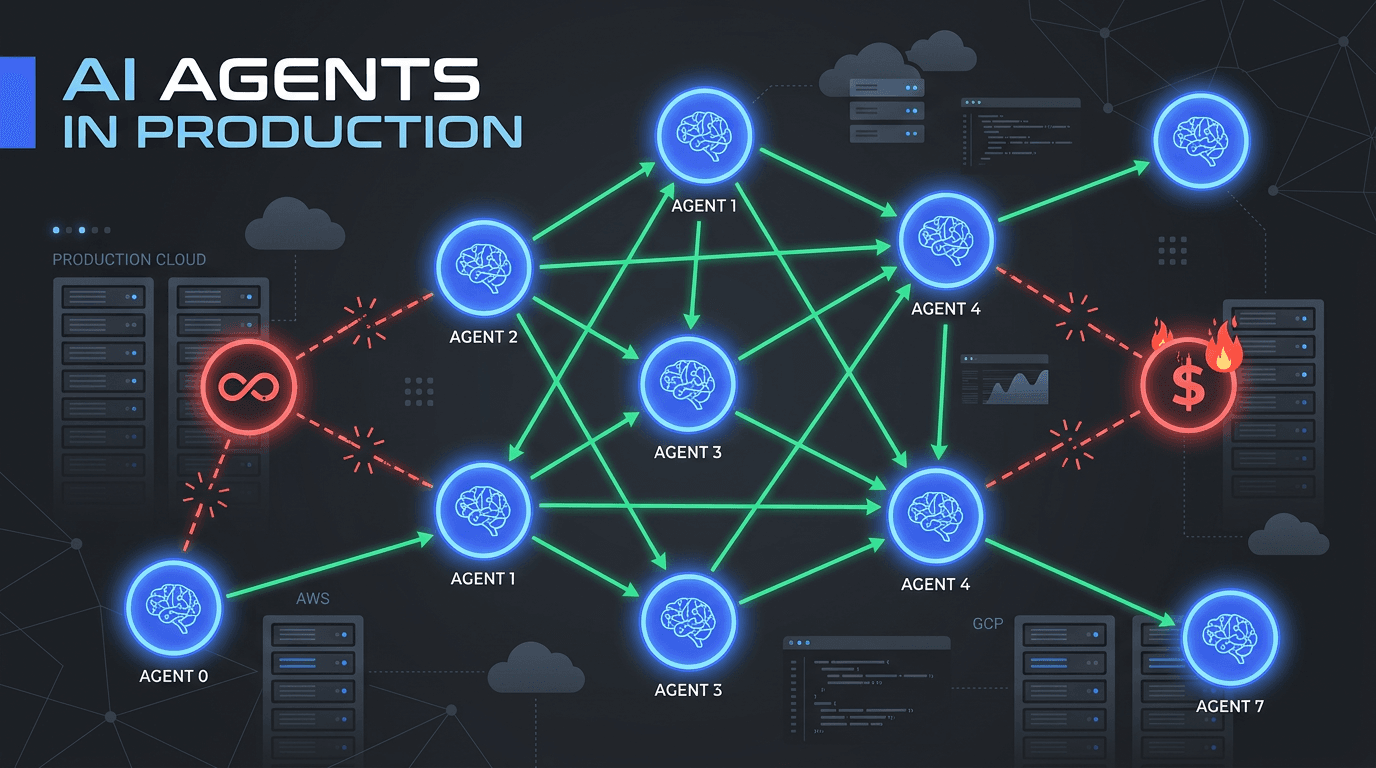
“Agentic AI doesn't remove accountability. It removes plausible deniability about whether you had a spec.”
Used with discipline, agentic workflows with Claude Code are a genuine accelerant for MVPs: you ship more experiments per week while keeping your standards in one place—your review habits, your test suite, and your product narrative.